Since 2006, the number of students from modest backgrounds entering French grandes écoles has increased by only 2%. The democratization initiatives, although multiplied, struggle to change the social composition of these institutions.
The most prestigious schools allocate 60% of their annual budget to academic support and tutoring programs, a budgetary distribution rarely mentioned in public reports. Admission criteria, on the other hand, continue to vary significantly from one institution to another, despite national policies presented as harmonized.
Overview of French grandes écoles: origins, missions, and specificities
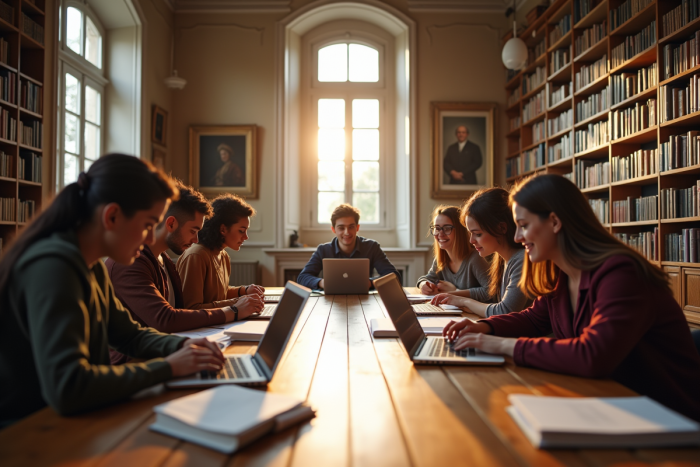
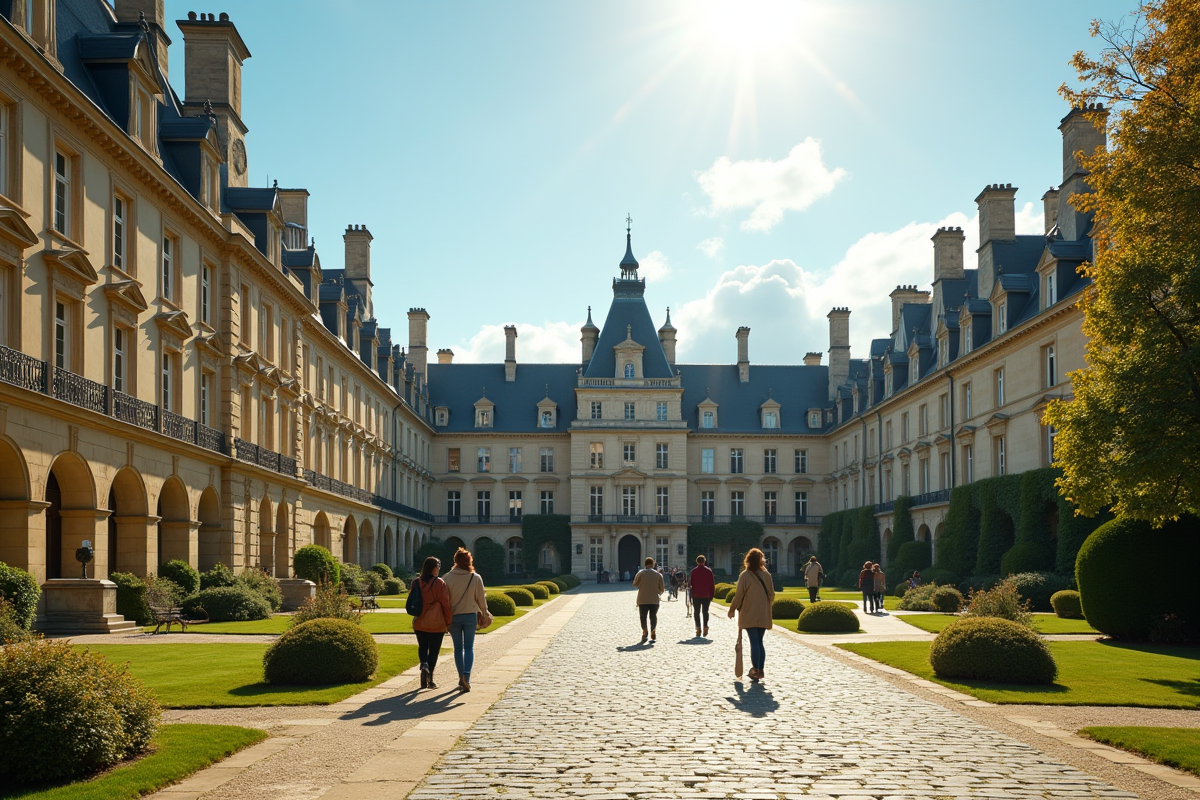
The French grandes écoles occupy a unique position in higher education. Heirs to an ancient tradition, they are marked by selectivity and a constant quest for excellence. Here, the pool of future scientific, economic, or administrative leaders of the country is shaped. The model is based on rigorous entrance exams, demanding preparatory classes, and a strong connection with the business world. Whether in Paris, Limoges, Rodez, or Nantes, each site cultivates its own identity, rooted in its region and oriented towards international engagement.
The mission of these schools is not limited to the transmission of knowledge. Whether they are engineering schools or business schools, personalized support occupies a central place. Excellence is assessed through specific criteria: rankings, selectivity at entry, academic results, national or international accreditations. However, today, other values are coming to the forefront: openness, equal opportunities, and innovation in teaching practices. Some schools, like 3iL Ingénieurs, stand out for their commitment to inclusion, with the belief that success should not depend on one’s background or origins.
While the diversity of profiles is increasing, it now represents a significant challenge for these institutions. Here are some dimensions that illustrate this:
- Increased representation of girls,
- Students from diverse backgrounds,
- Promotion of social mobility,
Support for success is realized through a range of tailored resources, including methodological tools or practical supports like those highlighted by savoir à l’ENSAM. This panel of resources enables future engineers to acquire solid methods, refine their skills, and adjust to the specific expectations of the École nationale supérieure d’Arts et Métiers.
Institutional recognition also involves certification (Qualiopi, ISO 9001), transparent publication of rankings, and investment in research. Engaged in a permanent dialogue with society, French grandes écoles are evolving their mission to combine academic rigor, social openness, and preparation for contemporary challenges.
What levers for academic success? Issues of access, resources, and changes since 2000
Over the years 2000, academic success has been built on ever-evolving foundations. French grandes écoles, long considered bastions reserved for a certain elite, are now examining their own access modalities. The figures from the Ministry of National Education and INSEE draw a clear line: educational inequalities remain deeply entrenched, whether by gender, social origin, or the language spoken at home. In 2023, nearly one in five sixth graders faced significant difficulties in French. Another revealing statistic: 11.8% of young people aged 16 to 25 continue to struggle with reading during the Defense and Citizenship Day.
Behind efforts to strengthen inclusion and ensure equal opportunities, new social opening initiatives are emerging, along with the ambition to promote social mobility. However, access to grandes écoles remains fraught with powerful obstacles. Preparatory classes, a necessary passage for many, have lost none of their selectivity. Several thousand children remain outside the school system, particularly in overseas territories, where the UN Committee on the Rights of the Child emphasizes the need to strengthen access to education.
Social mobility faces the persistence of a high rate of NEETs in overseas departments. It is also observed that reading difficulties more frequently affect boys and young people from these territories, revealing a lasting divide. In light of this, grandes écoles are adjusting their practices: tutoring, individualized follow-up, tailored programs to reduce gaps. These levers aim not only at academic performance but also seek to provide each student with the means to progress, rise, and find their place.
The future of French grandes écoles hinges on their ability to combine rigor and openness. Their resources are no longer reserved for a select few but aim to shape a shared success, where every story matters.