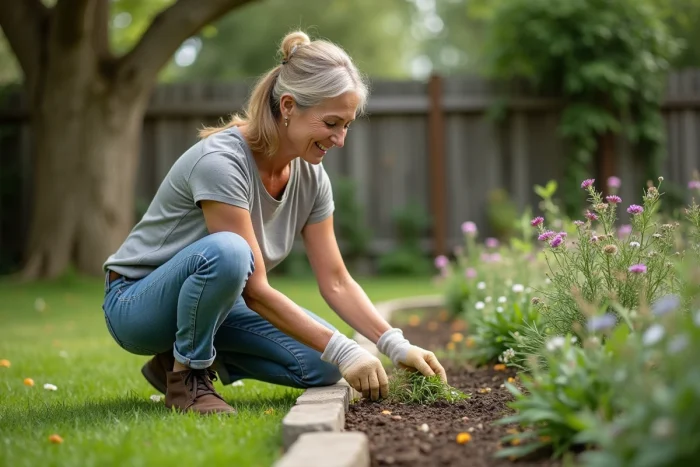
Under the surface, a natural garden hides its paradoxes. Betting on local, adopting recycling, thinking sustainably: these are truths that sometimes turn against both the amateur and the professional. For an area of native species can quickly become invasive, an untreated wooden path can degrade faster than expected, or water management can reveal its share of surprises. Nothing is purely black or white in the art of responsible landscaping.
To step off the beaten path, other approaches deserve to be explored. Adopting differentiated management, integrating wild corners, choosing wisely among local resources: these are levers to combine biodiversity, aesthetics, and ease of maintenance. These lesser-known methods create vibrant and original gardens where respect for the environment meets visual pleasure.
Why prioritize a natural and sustainable landscaping?
Investing in a landscaping project means accepting to step back in favor of life. Light, soil texture, ambient humidity: everything matters and nothing is trivial. Garden trees become true allies: they shelter birds and insects, temper the climate, and make every nook more pleasant to live in. It’s no longer about planting at all costs, but about supporting what wants to grow.
The choice of materials sets the tone. If you opt for raw wood, local stone, or mulch produced on-site, you immediately limit unpleasant surprises, those that are only detected too late. Garden maintenance is also simplified thanks to perennial and hardy plants. After the initial seasons, they establish their rhythm, stabilize the soil, and attract pollinators, hedgehogs, or ladybugs without asking for much effort in return.
The example of landscaping with L’Herbe sous le Pied reminds us: each space requires a careful eye and tailored adjustments. Selecting species, understanding water management, monitoring the evolution of plantings: there is no one-size-fits-all solution, but a desire to listen to the land rather than impose our habits on it.
To create a landscaping project that respects life, it is relevant to draw inspiration from natural balances. Plant diversity, layering heights, valuing existing resources: these points are the foundation of a garden that becomes self-sufficient, beautiful, and resilient over the years.
Original ideas to transform your garden into a living and ecological space
Reinventing garden landscaping is seizing the opportunity to transform every square meter. Perennial plants create a permanent refuge for pollinators. Associating nectar-rich flowers with a few fruit trees provides food for foraging, nesting, and sheltering. Adding a vegetable patch near the flower beds diversifies uses, enriches the soil naturally, and invites you to enjoy the garden as it grows.
By betting on plant structures, you add height and life to the whole: a vegetative fence made of woven willows or hornbeam breaks the wind while delighting the birds. Climbing plants for walls, such as honeysuckle, clematis, or virgin vine, adorn the facade, regulate heat and humidity, and transform the built environment into a green haven.
Creating various shelters makes all the difference: an insect hotel in a shaded corner, a few birdhouses in the right spots, and wildlife settles in for good. Vertical gardens and green walls are also areas for experimentation, especially when space is limited: they provide bees and butterflies with a welcome stop on balconies or facades. Even on the terrace, pots of herbs and medicinal plants combine utility and diversity, easily accessible for cooking or simple infusions.
In practice, here are concrete ways to enrich the vitality of the garden:
- Install a flower meadow: mowing becomes rare, biodiversity flourishes, and the garden requires less maintenance.
- Imagine a winding path with Japanese stepping stones or gravel that follows the contours and makes every walk enjoyable.
- Set up a water point, pond, or simple basin to attract dragonflies, amphibians, birds, and many other passing guests.
For a zen garden, the recipe lies in simplicity: stones, mosses, Japanese maples, and ferns create a calming universe, always changing with each season. These choices, as simple as they are effective, give rise to authentic, robust gardens open to the surprises of life.

How to take action: practical tips for successfully executing your landscaping project
To bring your project to life, always start with careful observation. Take the time to study the soil, identify areas of light or shade, and spot wet or dry corners. This preliminary step conditions everything else and allows each intervention to be grounded in reality.
Adapt your choice of plants to the local climate. Focusing on perennials and drought-resistant species reduces watering and interventions. Layer heights and types of foliage, coordinate colors and flowering rhythms: each combination enhances life and avoids monotony.
Reusing what you have on hand is possible: old paving stones, reclaimed stones, logs to mark the edges. Paths made of wood chips or gravel offer flexibility and drain water while integrating seamlessly into the garden’s ambiance.
A few simple habits can help sustain the whole:
- Use discreet tanks for rainwater harvesting and reduce watering as much as possible.
- Adopt plant mulch: it maintains freshness, limits watering, and nourishes the soil over time.
- Consider shelters for small wildlife: a pile of branches, a dry stone wall, or a portion of the land left “wild” are easy-to-integrate refuges.
On the maintenance side, focus on balance: no chemicals, crop rotation, ground covers to curb the regrowth of unwanted plants. Each action aims to strengthen the garden’s adaptability while allowing life the freedom to express itself.
The living garden never ceases to surprise. It evolves from season to season, shapes its own solutions, and invites a change of perspective. Those who embark on the adventure know: the natural is not an end to reach, but a momentum to maintain.