
A serial number is good. A serial number copied from ten different listings is the beginning of trouble. YKK zippers, once a mark of seriousness, now adorn copies that are as skillful as they are deceptive. Misaligned logos, hesitant stitching: false promises persist, even as counterfeiters improve. As for authenticity certificates, they circulate in parallel markets, imitated with a disturbing attention to detail. Even the inner labels, once infallible, are fooled by copies that are more realistic than ever.
Why are Longchamp Le Pliage bags so often copied?
Le Pliage did not rise to the status of an icon by chance. Its sleek silhouette, practicality, and affordable price make it irresistible, well beyond French borders. This notoriety, amplified by the circulation of images and tutorials on social media, boosts the production of cheap copies. Models are exchanged, user manuals circulate, and virality does the rest. The result: demand skyrockets, and counterfeiters smell a good deal.
Conversational artificial intelligence joins the fray: it automates listings, writes flattering descriptions, and obscures the tracks. On dubious platforms, customers sometimes let personal data slip, exposing themselves to much more than just a failed purchase. Social media becomes the dream showcase for selling imitations, multiplying the victims attracted by prices that defy all competition and by advertising campaigns that are as targeted as they are intrusive.
French buyers, very active on online marketplaces, face an increasing sophistication of scams. Avoiding a Cabaia scam with the authenticity certificate becomes a necessity for those who do not want to be fooled. Fake certificates abound, fraudulent sites multiply, and official visuals are reused excessively. Only careful analysis of details and verification of certificates can hope to escape these cunning traps.
Signs that don’t lie: how to recognize a genuine Le Pliage bag
Identifying a genuine Le Pliage bag requires precision and keen observation. Fakes are becoming more realistic, yet certain aspects resist imitation. First and foremost, check the SSL certificate in the address bar of the site where you plan to buy: this little padlock indicates the seriousness of the online store. Its absence should alert you, especially on platforms missing from Google searches.
The customer experience is also revealing: official stores and recognized apps (Google Play, App Store) ensure product traceability and a customer service that is genuinely accessible. A trustworthy site details how it manages personal data and displays all its contact information transparently. Verification badges, often present during payment, are an additional guarantee of security for French buyers.
To spot the differences that make a difference, here are some elements to examine closely:
- The Longchamp logo must be perfectly sharp and regular, without smudges; the stitching must be precise, and the leather color uniform.
- The zippers should glide smoothly and feature careful branding.
- The discreet serial number appears on the inner label: compare it to the one indicated on the invoice or authenticity certificate.
The Wayback Machine can be used to check the history of a dubious site or to trace the age of an online store. Customer reviews often speak for themselves: a total lack of feedback or duplicated comments are warning signs. Attention to detail transforms a risky purchase into an informed choice.
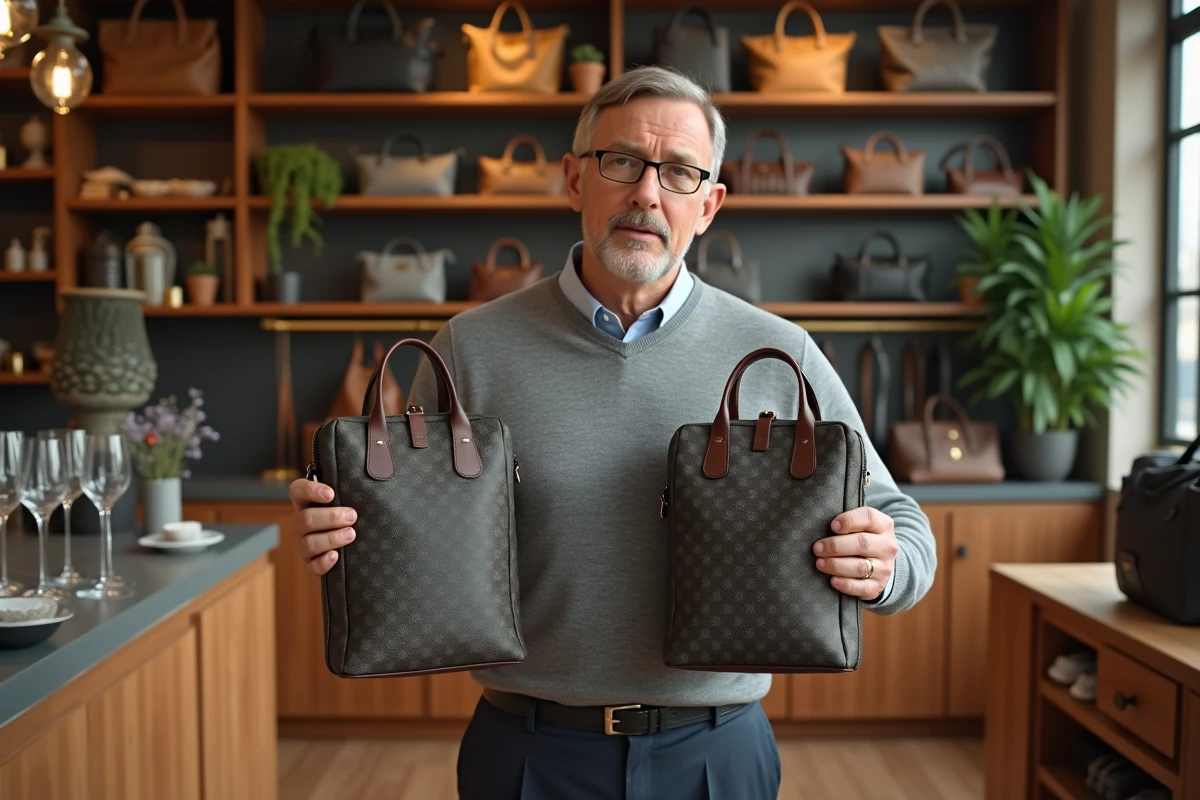
Authenticity certificate, reliable points of sale, and tips for safe buying
The authenticity certificate remains the strongest bulwark against Cabaia counterfeiting. This document accompanies each authentic piece. Before buying, always ask for it: it traces the product’s journey from the workshop to the store. Its mere demand often throws counterfeiters off, especially during periods like Valentine’s Day when demand surges.
Relying on authorized retailers and official stores remains the best strategy. The “retailers” section of the brand’s website lists all reliable points of sale, whether in Paris or the regions. An online seller hiding behind suspicious anonymity, with no physical address or SIRET number, should raise red flags. Transparency is also essential for customer service and the management of personal data: a reputable professional proves this without hesitation.
Before finalizing a purchase, check the following points:
- Ensure that the authenticity certificate is provided.
- Verify the identity of the seller and the legal mentions.
- Consider using a VPN to enhance the security of your transactions.
- Prefer payment by credit card on secure platforms (HTTPS protocol, verification badge).
Vigilance is essential, even on social media where some offers hide sophisticated traps. Analyze reviews, the site’s history, and opt for secure payment to protect your accounts and banking data. Between vigilance and reliance on the authenticity certificate, the line is clear: on one side, the assurance of a smooth purchase; on the other, the risk of falling into the trap. Stay on the right side of the barrier.