In 2023, SNCF invested more than 500 million euros in the digitalization of its services, a figure that has been steadily increasing for five years. Rail operators are multiplying partnerships with start-ups specializing in artificial intelligence and connected objects, while some European countries are already imposing stricter digital accessibility standards than France.
The implementation of predictive maintenance, automated traffic management, and the integration of personalized services are redefining the standards of rail transport. Feedback shows a 30% reduction in incidents and a measurable improvement in passenger satisfaction.
When Digital Redefines Train Travel: An Overview of Innovations in Rail
The rail landscape is changing its face. Driven by technology, the train is shedding its old habits and fully entering the era of connected mobility. The challenge? To transform every journey into an intelligent experience. Data flows, traffic is reorganized, interfaces evolve: an entire ecosystem adapts, and the relationship between passengers and rail operators is profoundly altered.
Predictive maintenance, now essential, symbolizes this shift. Thanks to artificial intelligence, every carriage, every rail is under constant surveillance. Algorithms detect anomalies before they turn into breakdowns, allowing for earlier intervention and preventing unplanned interruptions. SNCF has seen the number of incidents drop by 30% on certain lines since the widespread implementation of these systems.
Onboard and at the station, digital services create new habits. Mobile applications provide information on crowding, suggest alternative routes, and facilitate connections with other modes of transport, such as shared bikes, autonomous shuttles, and ride-hailing services. The platform Webal SNCF embodies this approach: personalized information gathered in one place, connected services designed to streamline every step of the journey.
On the European chessboard, France is accelerating the integration of digital standards to ensure compatibility of networks and information systems. Data exchange is becoming second nature, supporting the move towards smarter, less fragmented mobility that is better suited to environmental challenges. Digitalization, now the driving force behind rail transformation, reshuffles the cards of tomorrow’s transport.
Passenger Experience, Traffic Management, Connected Services: The Concrete Benefits of Digitalization for All
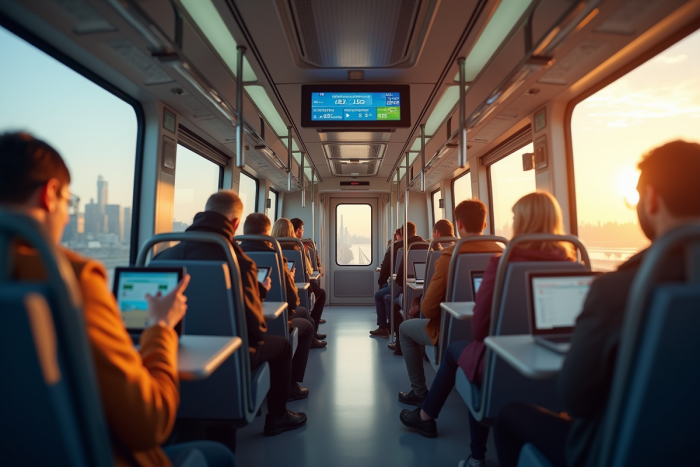
Travelers have been waiting for it, onboard wifi is finally establishing itself as the new standard. Whether it’s families, professionals, or young people seeking immediacy, everyone wants a smooth and hassle-free experience. The onboard digital systems ensure a stable connection, whether to stay informed, book a last-minute ticket, or simply enjoy a moment of relaxation online. On the majority of lines, access to wifi transforms travel time into useful time or a recreational break.
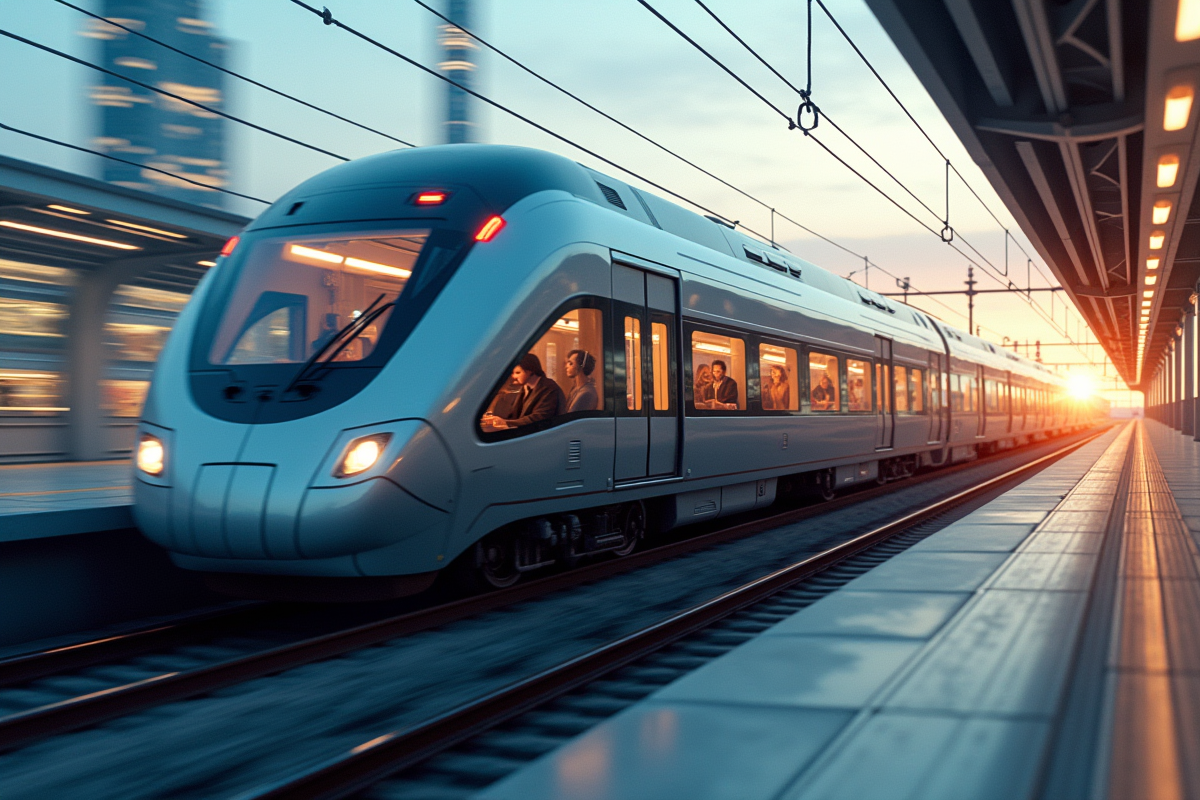
The benefits of digitalization are also measurable in terms of safety and reliability. Sensors and connected devices monitor rolling stock down to the minute. Each captured data point is used to anticipate technical interventions, limit interruptions, and enhance punctuality. Traffic management systems, supported by these information flows, adapt the rhythm of trains and improve overall circulation.
In terms of services, digitalization paves the way for smarter and more responsible mobility. Interconnection with other urban transport modes, personalized notifications for each traveler, and attention to cybersecurity form a solid foundation designed to meet the needs of all audiences. France and its European neighbors are moving forward together, betting on data quality and the strength of innovation to reinvent the rail experience.
As the kilometers pass, technology seeps into every corner of train travel. Stations are changing their appearance, trains are reinventing themselves, and user expectations are evolving. The movement has begun, and it will not stop at the final station.